March 11, 2026
How Long Does It Take to Detail a Truck
- What factors influence the time required to detail a truck?
- What steps are involved in the exterior truck detailing process?
- Why is deep interior sanitation important during truck detailing?
- How long does metal polishing take and why is it so labor intensive?
- How does mobile truck detailing help fleets save time and improve efficiency?
- Why is truck detailing a long term investment for fleet maintenance and driver satisfaction?
In the high-stakes ecosystem of logistics and heavy transportation, time is the only currency that truly matters. Every hour a Class 8 tractor or a vocational vehicle spends parked is an hour it is not moving freight or generating revenue. However, a common mistake many fleet managers make is viewing vehicle aesthetics as a luxury rather than a core component of preventive maintenance. When you start asking how long it takes to detail a truck, you are not just asking about a cleaning schedule; you are asking about a strategic investment in asset longevity, driver retention, and brand equity.
A professional detailing session for a heavy-duty truck is a far cry from a quick run through a brush wash. It is a meticulous, multi-stage process that can range from a four-hour “freshen-up” to a multi-day restoration project. Understanding these timelines is critical for any operation looking to balance the books while maintaining a fleet that commands respect on the road.
The Variables That Define Your Detailing Timeline
To accurately estimate the duration of a detailing job, we must first dissect the variables involved. If you have been searching for truck detailing near me, you have likely realized that price and time quotes are rarely fixed. This is because a professional detailer must account for the specific configuration of the rig and its current state of maintenance.
The first major factor is the size and type of the truck. A standard day cab, designed for local or regional hauls, has a significantly smaller interior and exterior surface area compared to a massive 72-inch high-roof sleeper. The addition of a sleeper berth effectively doubles or triples the interior labor required. Beyond the cab, the presence of specialized equipment like hydraulic wet kits, auxiliary power units (APUs), or complex headache racks creates thousands of tiny crevices that require manual cleaning.
The second factor is the “starting condition” of the vehicle. In the industry, we often distinguish between a “maintenance wash” and a “rescue mission.” A truck that receives professional attention every month will be significantly faster to service than a truck that has spent six months hauling corrosive materials or working on a muddy construction site. Heavy grease buildup around the fifth wheel or severe oxidation on aluminum fuel tanks can easily add four to six hours of labor to the total job.
Finally, the scope of work dictates the clock. A basic exterior wash and interior vacuum is a different animal compared to a full paint correction and high-end ceramic coating application. When you work with a premier provider like VIP Fleet Services, the focus is often on a comprehensive restoration that touches every nut and bolt, which naturally requires a more significant time commitment than a budget-friendly alternative.
The Exterior Process: More Than Just Soap and Water
The exterior of a truck is its first line of defense against the elements. Detailing this area is a scientific process that involves chemical decontamination and mechanical cleaning. For a standard Class 8 tractor, the exterior portion of a detail typically consumes three to six hours of focused labor.
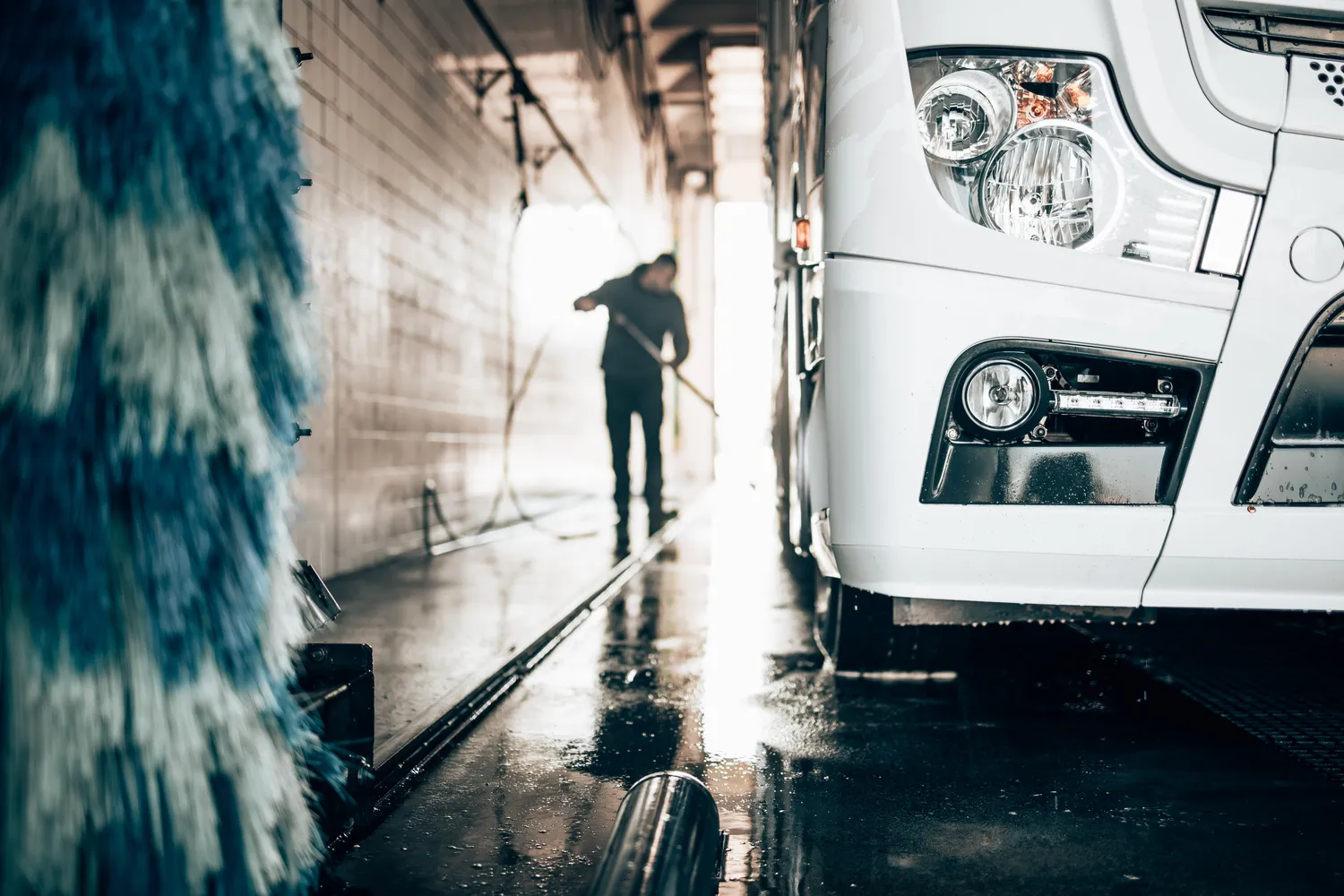
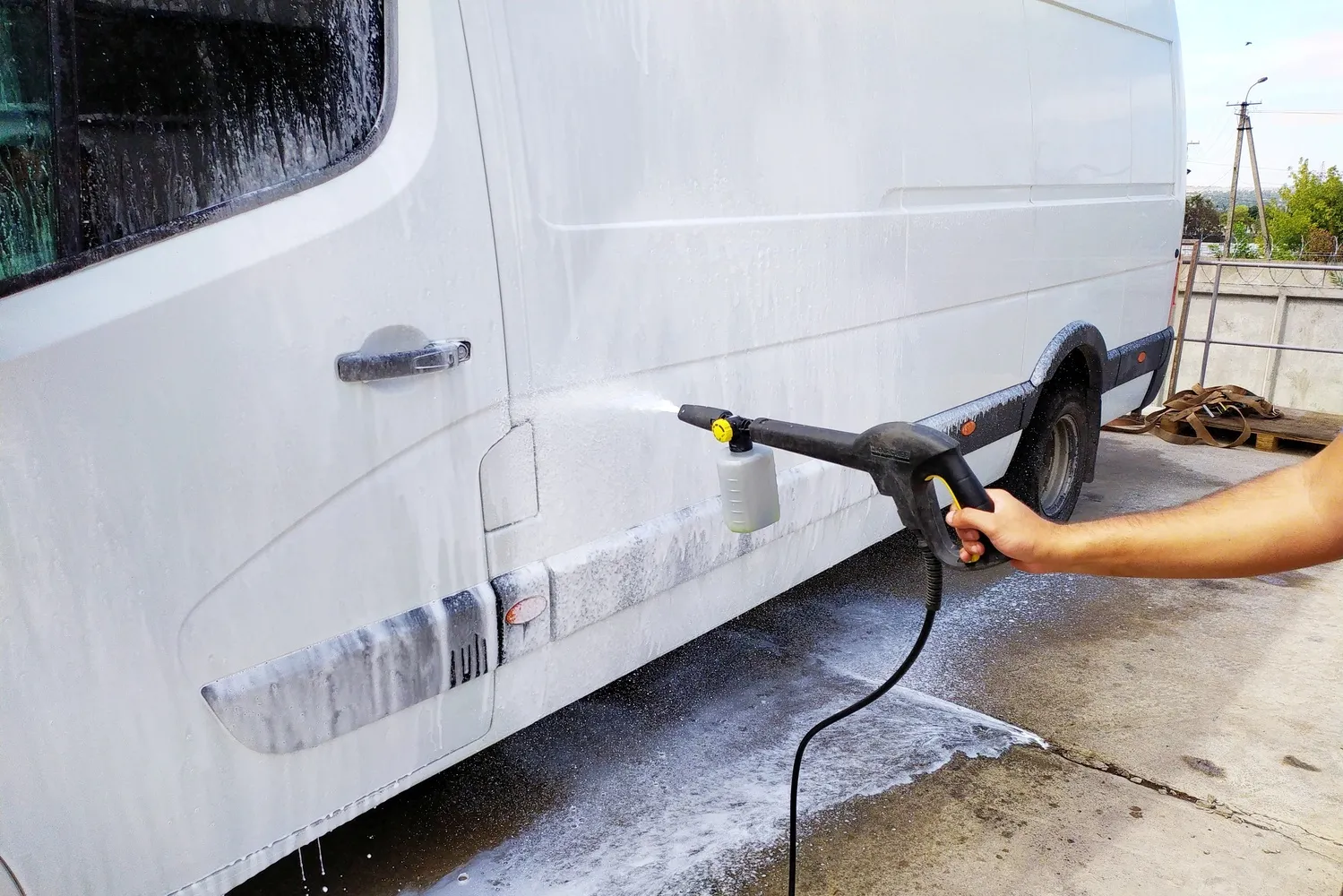
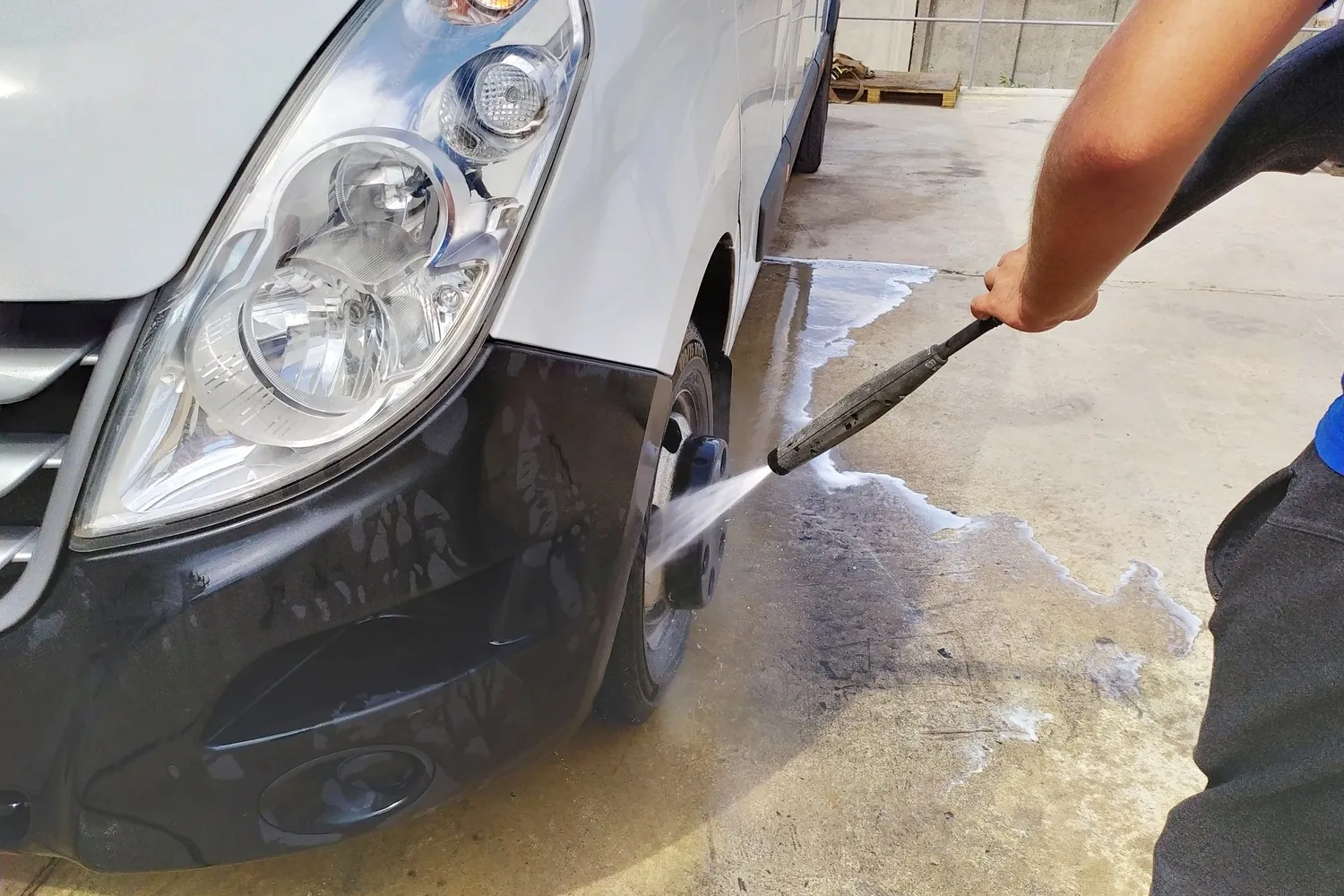
The process begins with a heavy-duty degreasing and pressure wash. This stage is not just about the paint; it is about the chassis, the engine bay, and the wheel wells. Removing road grime and salt from the frame rails is essential for preventing the “rust bloom” that can lead to structural failures or failed DOT inspections. This initial phase usually takes about an hour and involves the use of pH-balanced cleaners that break down grease without damaging sensitive rubber seals or electrical connectors.
Following the wash, the detailer moves into the decontamination phase. Even a truck that looks clean often has “grit” embedded in the clear coat. This grit is usually a combination of brake dust, rail dust, and industrial fallout. Using a clay bar or a chemical iron remover is the only way to strip these contaminants. For a vehicle with the surface area of a semi-truck, this is a grueling, manual process that can take two hours. However, it is a non-negotiable step if you plan on applying a high-quality wax or sealant, as applying protection over dirt will only trap the contaminants and cause further damage.
The final exterior stage is the protection layer. This involves hand-applying a wax, polymer sealant, or a ceramic coating. The choice of protection affects the timeline. A spray-on wax might take 30 minutes, whereas a professional-grade ceramic coating requires a clean, temperature-controlled environment and several hours for the initial application, followed by a curing period where the truck cannot be exposed to moisture.
Interior Sanitation: Caring for the Driver’s Home
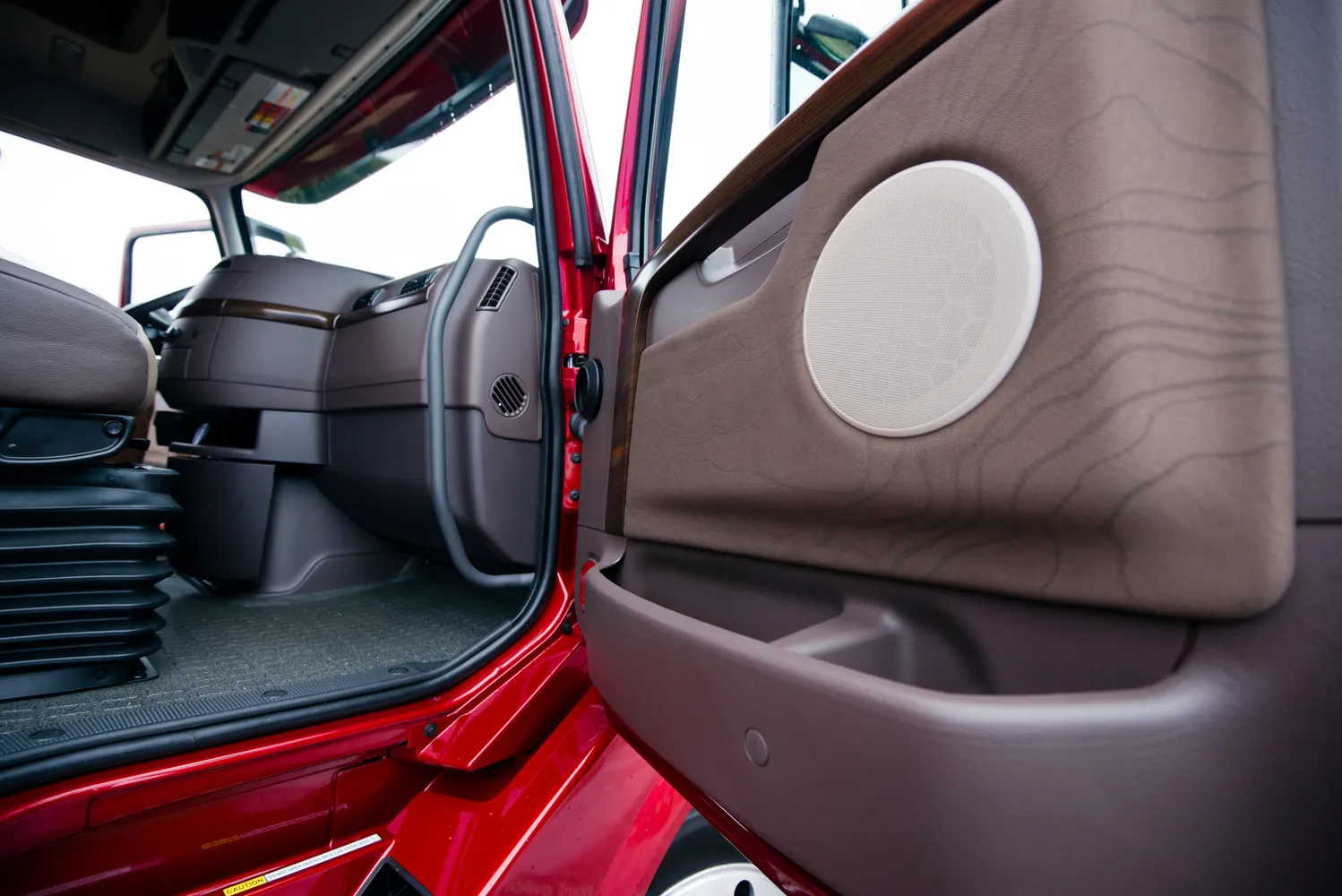
For a long-haul driver, the cab is a workplace, a bedroom, and a kitchen. Over time, these small spaces become magnets for bacteria, allergens, and odors. A deep interior detail is often the most time-consuming part of the entire process, frequently taking five to eight hours to complete properly.
The interior process begins with a “dry pull” using high-powered industrial vacuums and compressed air. Detailers use compressed air to blow debris out of the vents, from under the seats, and out of the deep crevices of the dashboard. In a sleeper cab, this also involves moving mattresses and cleaning storage compartments that are often neglected for years.
The most critical step in interior detailing is steam cleaning. High-temperature steam (above 212 degrees Fahrenheit) is used to sanitize the carpets and upholstery. This method is superior to traditional shampooing because it kills 99% of bacteria and viruses without leaving the fabric soaking wet, which prevents the growth of mold in the thick insulation used in truck cabs.
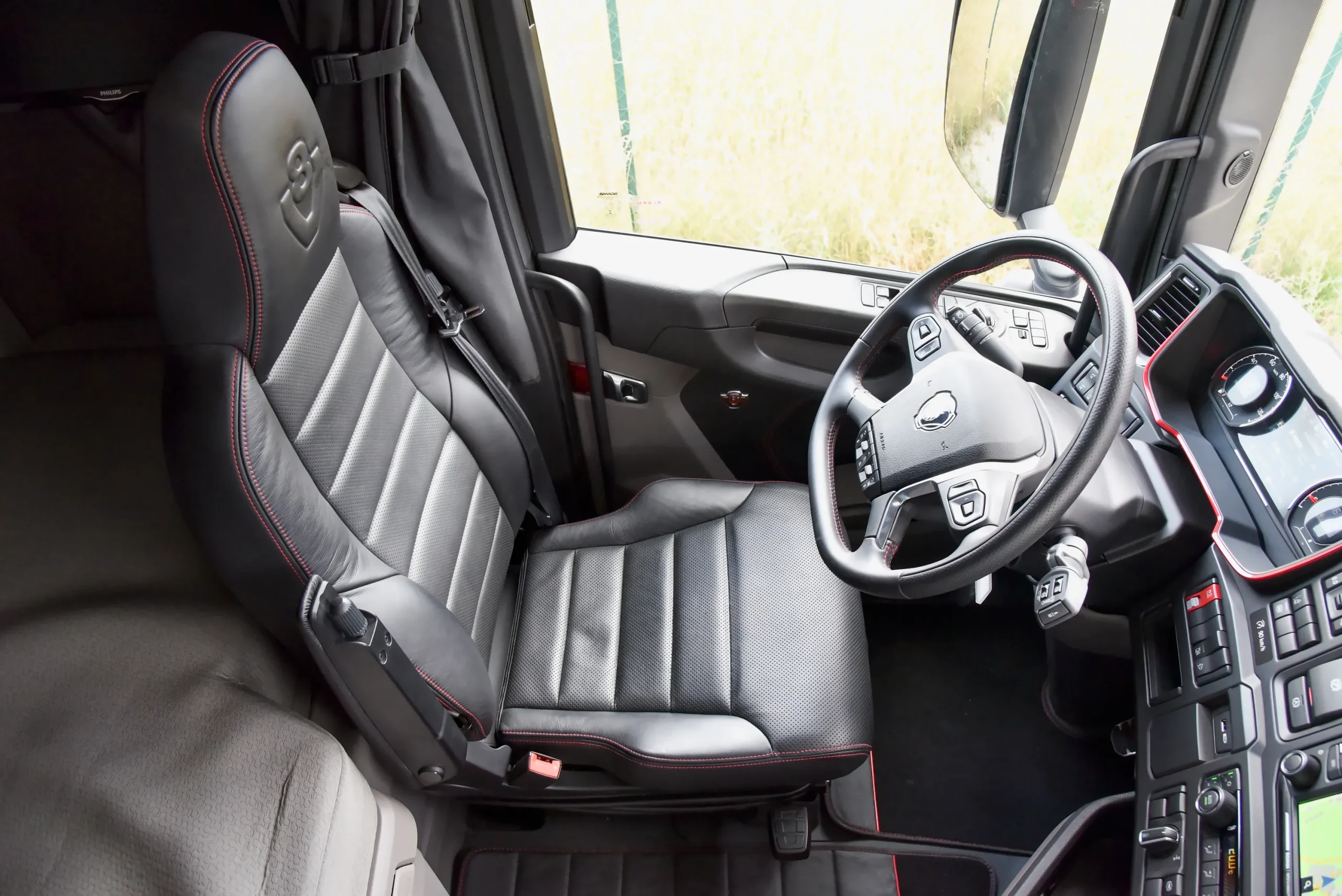
Detailers also focus on the “high-touch” surfaces. The steering wheel, gear shifter, door handles, and seatbelts are the most contaminated areas of any vehicle. Cleaning these requires delicate brushes and specialized cleaners that won’t degrade the materials or leave a greasy residue that could cause a driver’s hand to slip. For trucks with a history of tobacco use or persistent food smells, an ozone treatment is the final step. This involves placing an ozone generator inside the sealed cab for about an hour to chemically neutralize odor molecules.
The Art and Labor of Metal Polishing
If there is one thing that defines a high-end rig, it is the shine of the aluminum and chrome. However, metal polishing is perhaps the most labor-intensive part of the entire detailing industry. If your truck has multiple aluminum fuel tanks, polished wheels, and a chrome bumper, you should expect the timeline to extend by a full workday.
Aluminum is a soft, porous metal that begins to oxidize the moment it is exposed to the air. Restoring a “mirror finish” to a set of dull, milky-looking fuel tanks is a multi-stage process. It involves sanding out deep pits or scratches and then using a series of buffing wheels and polishing rouges. A single 100-gallon fuel tank can take a skilled technician two to three hours to polish. If a truck has dual tanks and ten aluminum wheels, the metalwork alone can account for ten to twelve hours of labor.
This is a specific area where the expertise of VIP Fleet Services shines. They utilize industrial-grade rotary polishers and high-end compounds that not only restore the shine but also leave behind a protective layer that slows down future oxidation. While it adds significant time to the appointment, the visual impact of polished aluminum is one of the best ways to increase a truck’s resale value and project an image of professional excellence.
Maximizing Efficiency with Mobile Truck Detailing
One of the greatest innovations in the fleet maintenance world has been the rise of professional mobile truck detailing. Traditionally, getting a truck detailed meant losing a driver for a day to transport the vehicle to a shop and then waiting for it to be finished. This created a massive “opportunity cost” that often outweighed the price of the detailing itself.
Modern mobile units are fully self-contained shops on wheels. They carry their own water tanks, pressure washers, generators, and a massive array of specialized chemicals. By bringing the service to your terminal or yard, the “time cost” to your business is virtually eliminated. The detailing can occur during the driver’s mandatory rest period or while the trailer is being loaded at the dock.
When you utilize mobile services, the question of “how long it takes” changes from a question of downtime to a question of logistics. A professional mobile crew can often work on two or three trucks simultaneously if they have a large enough team. This allows an entire small fleet to be serviced in a single day without a single truck ever leaving the yard. It is a game-changer for companies that need to maintain a high standard of cleanliness while operating under tight delivery schedules.
The Long-Term ROI of the Time Invested
It is easy to look at an eight-hour detailing appointment and see nothing but lost time. However, a deeper look at fleet maintenance data reveals that this time is a significant investment in the mechanical health of the vehicle. A clean truck is much easier for a technician to inspect. It is far simpler to find a small oil leak or a hairline crack in a frame rail when the engine and chassis are free of road grime.
Furthermore, detailing is a powerful tool for driver retention. The industry is currently facing a massive shortage of qualified drivers, and the condition of the equipment is often a deciding factor for employees when choosing which company to work for. Providing a clean, sanitized, and professional workspace shows the driver that they are valued, which leads to better care of the equipment and safer driving habits.
Ultimately, the time it takes to detail a truck is an investment in your brand’s most visible asset. Whether it is a four-hour maintenance wash or a twenty-hour full restoration, the results speak for themselves. By partnering with experts who understand the nuances of the industry, you ensure that your fleet remains a symbol of quality and reliability on the road. A well-maintained truck is not just a tool; it is a business card that travels 100,000 miles a year, and the time spent keeping it in peak condition pays dividends in every mile.